
CategoriesMedium and Techniques
Pastel
About Pastel
Pastel is nearly pure pigment, mixed with chalk or clay and a small amount of binder and pressed into sticks. Because so little binder holds the particles, colour rests on the tooth of the paper as powder and reflects light brightly, but it smudges easily and needs glass. In 16th-century France, Jean and François Clouet drew court portraits in black and red chalk, sometimes touched with colour.
The 18th century made pastel a painting medium. The Venetian Rosalba Carriera won fame across Europe with delicate portraits, and in France Maurice-Quentin de La Tour caught sitters' wit and complexion with immediacy. Out of favour after the Revolution, pastel returned with Jean-François Millet, Edgar Degas and Mary Cassatt, who valued its speed and built it up in layers. Around 1900 Odilon Redon used it for glowing flowers and visions. Look for a dusty, matt surface and the separate strokes of individual sticks.
The makers
Related artists.
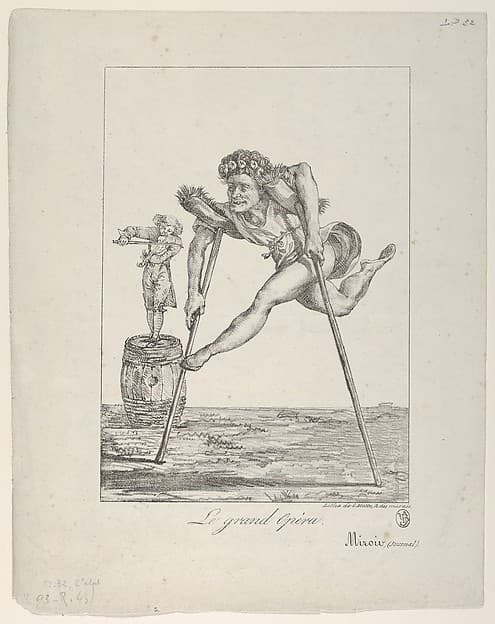
Performance Art
Photogram
Photograph as Material
Photographic Source
Photographs of Surfaces
Photography
Photojournalism
Photomontage
Photorealistic
Picassoesque
Polychrome Sculpture
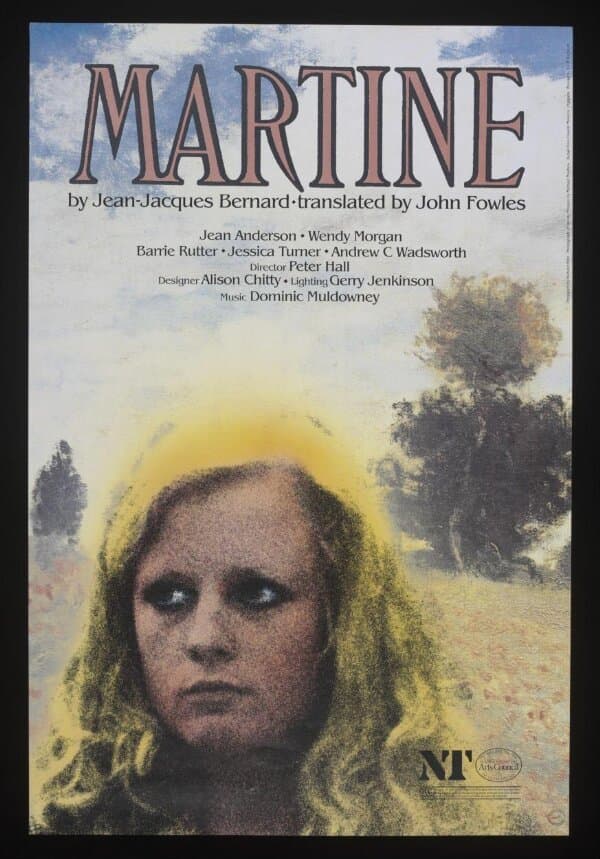
Poster
Poured
Printed Matter
Prints
Process-Oriented
Projection
Pulled, Scraped, and Scratched
Recycled
Reduced-Scale Architecture
Relief
Rembrandtesque
Repetition
