
Zoomorphism
Animal forms given to people, gods and objects, from prehistoric hybrid figures and ritual bronzes to jewellery and furniture.
No works indexed yet · 10 related artists
No open-access works for Zoomorphism are in the index yet. They will appear here as more collections are indexed.
About
Giving animal form to people, gods and objects is one of the oldest habits in art. The Lion Man, carved from mammoth ivory about 40,000 years ago and found in a cave in southern Germany, stands upright with a lion's head. Shang-dynasty bronze casters in China shaped ritual wine vessels as owls, elephants and rhinoceroses, and covered others with stylised animal masks.
Later, animal form became a way to add character, menace or wit. René Lalique's Dragonfly Woman corsage ornament (c. 1897–98) sprouts wings and claws from a woman's torso in gold, enamel and gemstones. Max Ernst adopted a bird-headed alter ego, Loplop, who presides over his collages from around 1930. Contemporary designers push furniture toward creatures: the Haas Brothers make hairy, horned and many-legged pieces, and Nacho Carbonell builds seats that look like cocoons. Look for claws, beaks, horns and feet on objects that have no need of them.
Related artists
More in Subject Matter
Abstract Landscape
Adolescence
Advertising and Brands
African Diaspora
%2520-%2520RR-105%2520-%2520Leiden%2520Collection.jpg%3Fwidth%3D960&w=3840&q=75)
Allegory
Alter Egos and Avatars
Americana
%2520(after)%2520-%2520The%2520Anatomy%2520of%2520Dr%2520Nicolaes%2520Tulp%2520-%252044578i%2520-%2520Wellcome%2520Collection.jpg%3Fwidth%3D960&w=3840&q=75)
Anatomy
Animal Portrait
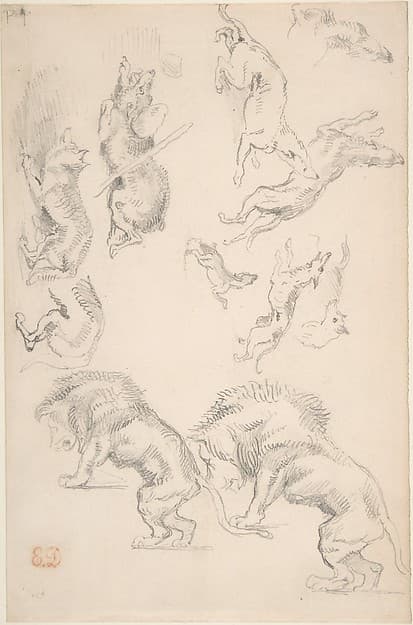
Animals
Anthropomorphism
Antiquity as Subject
Architecture's Effects
Artist as Ethnographer
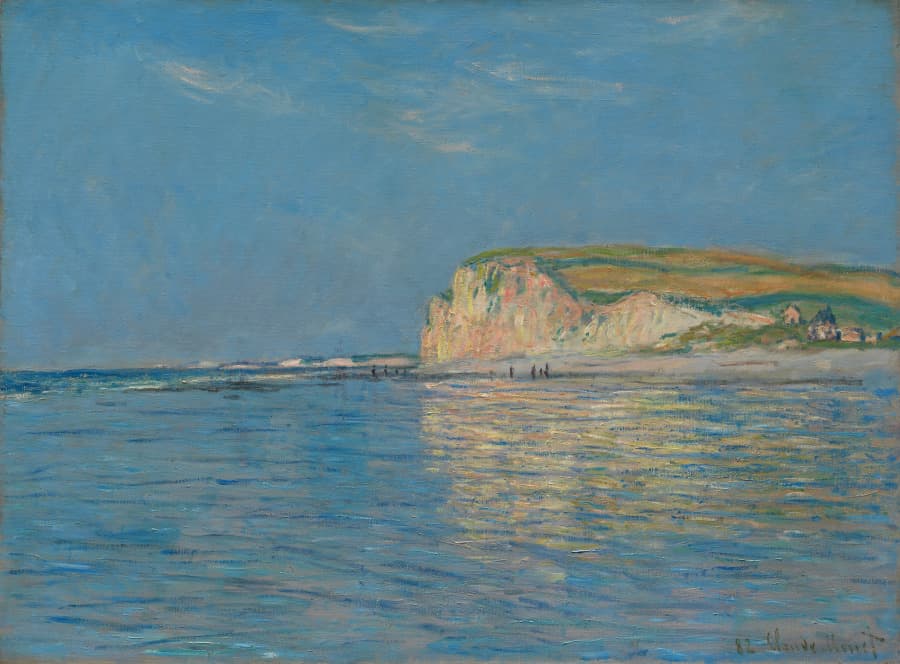
Atmospheric Landscapes
Attenuated Figure
Bars and Restaurants
