
Virtue and Vice
Good and evil set side by side: moral allegories, virtues and deadly sins, cautionary tales and their punishments.
1 work · 10 related artists
About
Art has long taught behaviour by showing good and bad side by side. The Chinese handscroll Admonitions of the Instructress to the Court Ladies, attributed to Gu Kaizhi and known through an early copy, illustrates a text of moral advice for palace women. In the Scrovegni Chapel in Padua (c. 1305), Giotto painted the virtues and vices as grey, stone-like figures facing each other along the lower walls, Justice opposite Injustice and Hope opposite Despair.
Pieter Bruegel the Elder designed a series of prints of the Seven Deadly Sins (1558), each vice presiding over a landscape of absurd, hybrid sinners. Andrea Mantegna's Minerva Expelling the Vices from the Garden of Virtue (1502) sends the armed goddess charging at a crowd of monstrous figures in a marsh. In recent decades Masami Teraoka has borrowed the look of Japanese woodblock prints for cautionary scenes about AIDS, desire and consumption.
Related artists
More in Subject Matter
Visual Perception
War and Military

Water
Waterscapes
Work and Workers
Zoomorphism
Abstract Landscape
Adolescence
Advertising and Brands
African Diaspora
%2520-%2520RR-105%2520-%2520Leiden%2520Collection.jpg%3Fwidth%3D960&w=3840&q=75)
Allegory
Alter Egos and Avatars
Americana
%2520(after)%2520-%2520The%2520Anatomy%2520of%2520Dr%2520Nicolaes%2520Tulp%2520-%252044578i%2520-%2520Wellcome%2520Collection.jpg%3Fwidth%3D960&w=3840&q=75)
Anatomy
Animal Portrait
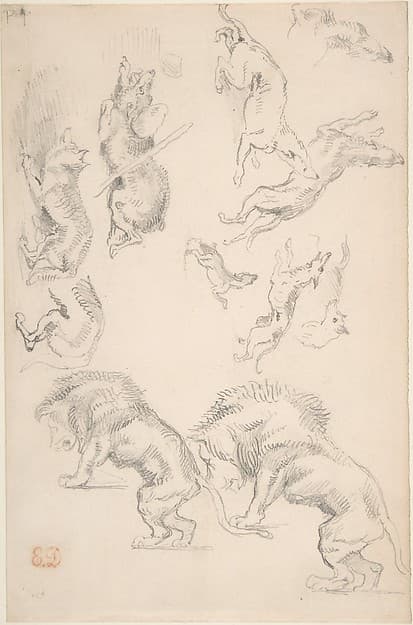
Animals
Anthropomorphism
Antiquity as Subject
Architecture's Effects
Artist as Ethnographer
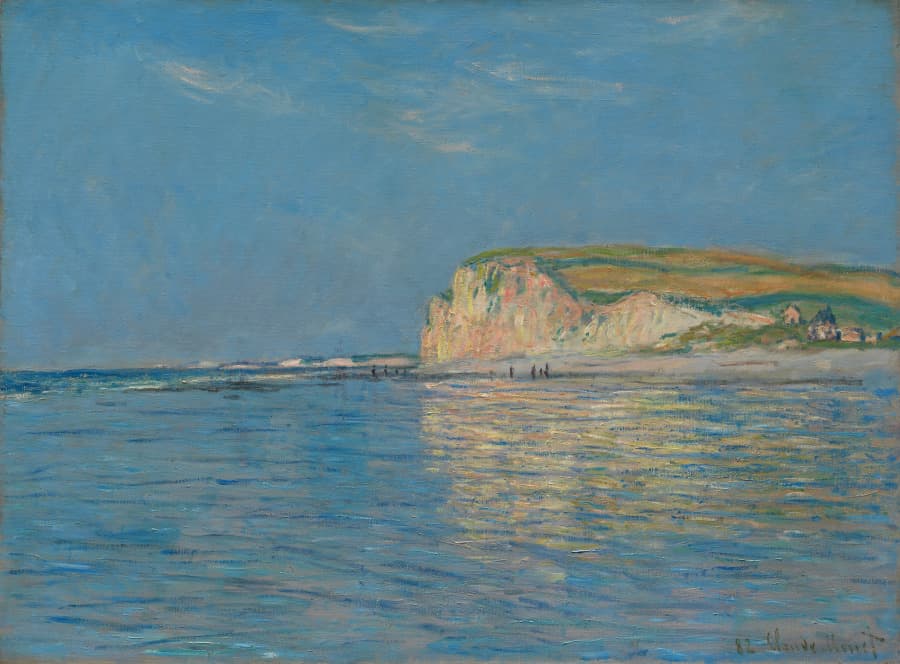
Atmospheric Landscapes
Attenuated Figure
Bars and Restaurants
